ImageMeter for Windows PC: How to Install, Use, and Get Accurate Photo Measurements (2026 Guide)
ImageMeter for Windows PC startingblockonline appears as a fast way to measure objects in photos. This guide explains how to install the app, set scale, and get accurate results. It shows common workflows, tips, and fixes. The reader will learn steps they can follow on a Windows machine and tools to export measurement reports.
Key Takeaways
- ImageMeter for Windows PC startingblockonline enables fast and accurate measurements directly from photos, saving professionals’ time on site visits.
- Install ImageMeter by downloading from the official source, following simple prompts, and granting photo access to start measuring quickly.
- Calibrate images by setting a reference object and scale to ensure precise measurements in both metric and imperial units.
- Use ImageMeter’s batch processing and annotation tools to create detailed measurement reports exported in PDF or CSV formats.
- Troubleshoot common issues by verifying reference lengths, using high-quality photos, and updating graphics drivers for optimal app performance.
- Consider alternatives like CAD tools or photo editors with plugins if 3D scanning or additional features are required, and use the free trial to evaluate the app first.
Why Use ImageMeter on a Windows PC — Benefits and Common Use Cases
ImageMeter for Windows PC startingblockonline helps professionals measure from photos. The app saves time. It removes the need to return to a site for extra checks. Contractors use the app to measure walls, openings, and fittings. Architects use the app to verify dimensions in field photos. Real estate agents use it to add measurements to listings. Inspectors use the app to create clear, dated evidence. The app supports batch processing. It supports export to common formats. The app works with standard image files. The app keeps a measurement history. The app reduces measurement errors when users follow correct scaling steps.
How to Download and Install ImageMeter for Windows (Step‑By‑Step)
The user searches for ImageMeter for Windows PC startingblockonline on a browser. The user selects the official download link. The user confirms the download file name and size. The user opens the installer. The installer shows simple prompts. The user accepts the license and chooses an install folder. The installer places program files in Program Files. The user launches the app from Start. The app requests permission for file access. The user grants permission to access photos. The user signs in with a license key or a trial account. The user updates to the latest build if the app offers an update. The user restarts the app after updates. The user confirms the app opens and loads an example image.
Setting Up Measurements: Calibrate, Scale, and Reference Points
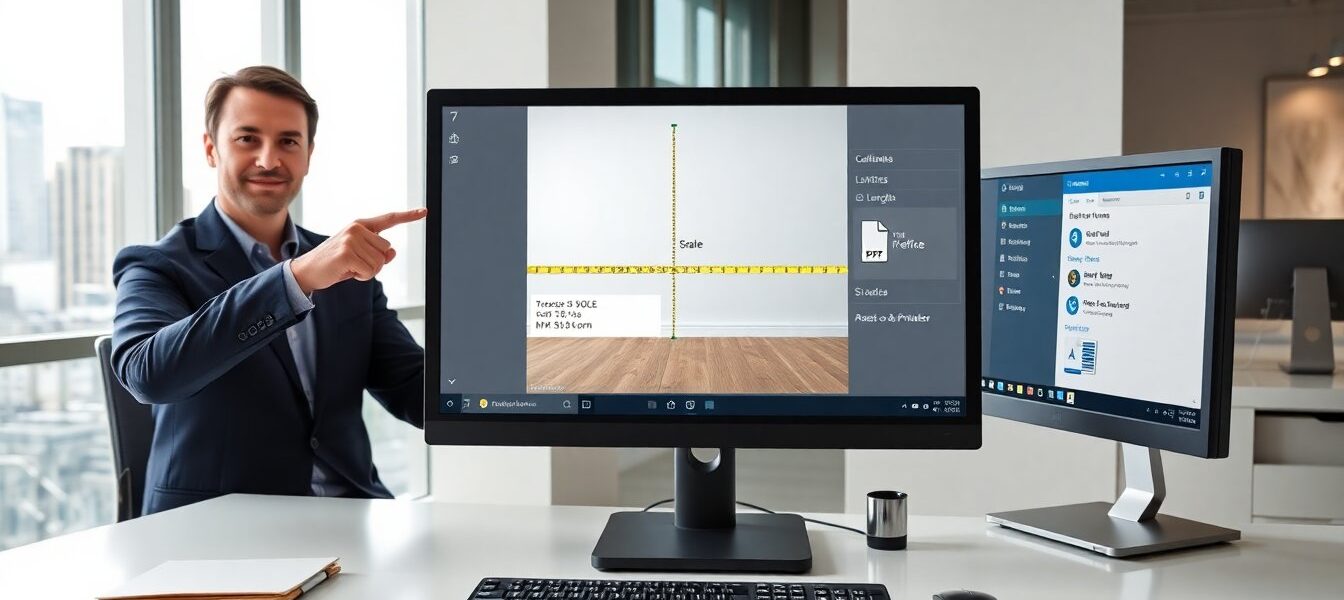
The user opens a photo inside ImageMeter for Windows PC startingblockonline. The user picks a clear reference object in the photo. The user draws a line over that reference object. The app asks for the real-world length of that line. The user enters the correct length in units. The app applies scale to the image. The app shows measured values in the display. The user adds extra reference points for angled surfaces. The user switches units when needed. The app supports metric and imperial units. The user locks the scale after calibration. The app keeps scale data with the image. The user rechecks scale when they crop or rotate the photo.
Practical Measurement Workflows: From Photos to Exported Reports
The user imports multiple photos into ImageMeter for Windows PC startingblockonline. The user calibrates one image and copies scale settings to others when the camera position stays the same. The user draws measurement lines, rectangles, and circles. The app calculates areas and perimeters automatically. The user annotates measurements with text and arrows. The user adds date and project metadata. The app compiles measurements into a report. The user previews the report on screen. The app offers PDF and CSV export. The user exports the PDF for clients and the CSV for spreadsheets. The user stores exported files in a project folder. The user shares reports by email or cloud link. The app keeps original photos with embedded measurement layers.
Troubleshooting, Tips, and Alternatives for Windows Users
The user checks scale errors first when measurements look wrong. The user verifies the reference length against a physical tape or known object. The user avoids using blurred or heavily skewed photos. The user uses two reference points for angled objects. The app offers a manual correction tool if automatic scale fails. The user updates graphics drivers if the app runs slowly. The user increases photo resolution when details look soft. The user saves intermediate files to avoid data loss. The user tries a free trial before purchase. The user considers alternatives if they need 3D scanning. Alternative tools include plain photo editors with measurement plugins or dedicated CAD import tools. The user chooses the tool that fits their workflow and budget. The user contacts support when a license or technical error appears.