ImageMeter On PC: How To Use It With StartingBlockOnline (2026 Guide)
imagemeter for pc startingblockonline helps users measure and annotate photos on a desktop. This guide explains steps, compatibility, and workflows. It shows how to install ImageMeter on PC, link it to StartingBlockOnline, and move files. The article uses clear steps and practical tips. It assumes the reader has basic PC skills and access to StartingBlockOnline.
Key Takeaways
- ImageMeter for PC paired with StartingBlockOnline enables efficient measurement and annotation of photos on a desktop, enhancing project workflows.
- Installing ImageMeter on PC requires an Android emulator like BlueStacks, ensuring compatibility and smooth operation when syncing with StartingBlockOnline.
- Using StartingBlockOnline to store and share annotated images improves team collaboration by keeping version history and permissions centralized.
- Accurate measurements depend on calibrating ImageMeter with known-length objects and maintaining consistent labeling and file organization within StartingBlockOnline.
- A typical workflow involves importing photos into ImageMeter via an emulator, annotating, exporting to a shared folder, and uploading to StartingBlockOnline for team review and updates.
- Maintaining file quality and structured folder organization in StartingBlockOnline helps preserve project clarity and supports efficient management.
What Is ImageMeter And Why Use It On PC With StartingBlockOnline?
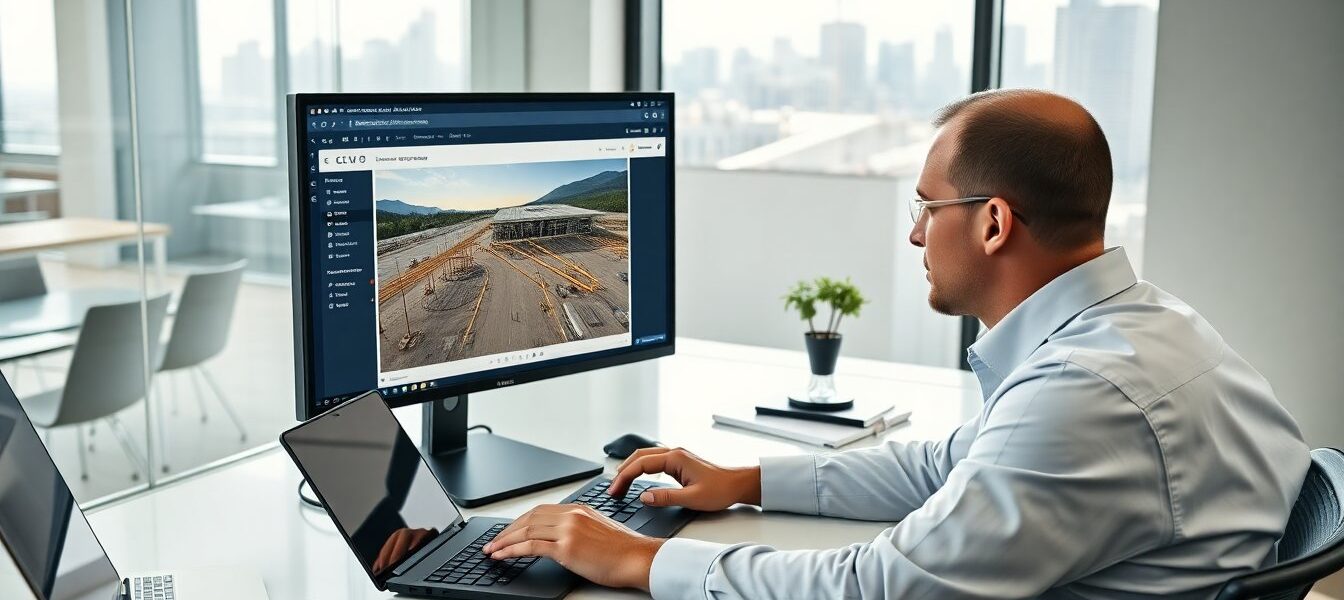
ImageMeter measures objects and adds annotations to photos. Professionals use ImageMeter for site surveys, architecture, and asset records. They choose the PC for larger screens, faster file handling, and easier backups. StartingBlockOnline stores project files and shares them with teams. Using ImageMeter on PC with StartingBlockOnline speeds review cycles. Teams save annotated images to a project folder. The setup reduces repeated trips to the site. It also keeps version history and permissions in one place.
System Requirements And Compatibility For PC Setups
The PC needs Windows 10 or later or a macOS build that supports the chosen emulator. The machine needs at least 8 GB RAM and a quad-core CPU for smooth emulator performance. Users need 10 GB free disk space for images and emulator files. They need a stable internet connection to sync with StartingBlockOnline. The emulator must support Google Play services for ImageMeter. StartingBlockOnline works in modern browsers: Chrome, Edge, or Safari. The browser must allow file uploads and cookies.
How To Install ImageMeter On PC
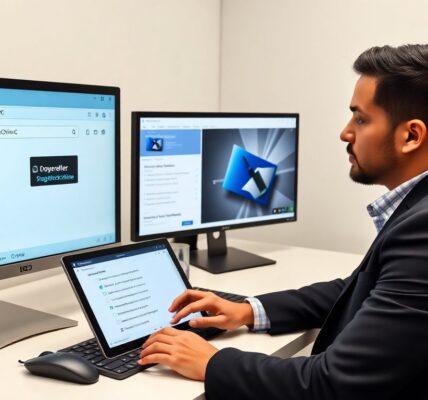
The recommended route installs ImageMeter via an Android emulator. The emulator creates an Android environment on the PC. Users download the emulator, install ImageMeter from the Play Store, and adjust settings. They then grant storage permission to save images. They test a photo to confirm measurement tools work. After that they prepare StartingBlockOnline folders and user accounts for sync.
Using An Android Emulator To Run ImageMeter On PC (Step‑By‑Step)
Download an emulator such as BlueStacks or Nox. Install the emulator and sign into a Google account. Open the Play Store inside the emulator and search for ImageMeter. Install ImageMeter and open it. Grant storage and camera permissions when the app prompts. Import a test photo into ImageMeter and draw one measurement. Save the annotated image to the emulator storage. Confirm the file appears in the shared folder that maps to the PC.
Typical Workflow: Using ImageMeter With StartingBlockOnline For Projects
A user captures site photos on a phone or imports existing photos to ImageMeter in the emulator. The user measures features and adds labels. The user exports images to the shared folder on the PC. The user then logs into StartingBlockOnline and uploads the images to the project. The team reviews images, leaves comments, and assigns actions in StartingBlockOnline. The user updates images when site changes occur and re-uploads revised versions. The workflow keeps a clear audit trail for each photo.
Tips For Accurate Measurements, Annotation, And Project Organization
Calibrate the scale in ImageMeter for each photo. Use a known-length object or scale bar in the picture. Record the calibration value as a note in StartingBlockOnline. Use consistent label formats like ROOM-001 or TASK-23. Save images in PNG or high-quality JPEG to preserve detail. Keep file names short but descriptive and include dates. Use folder structures by project and date on StartingBlockOnline. Limit image edits to preserve original files. Archive completed project folders to reduce clutter and keep the current workspace lean.