
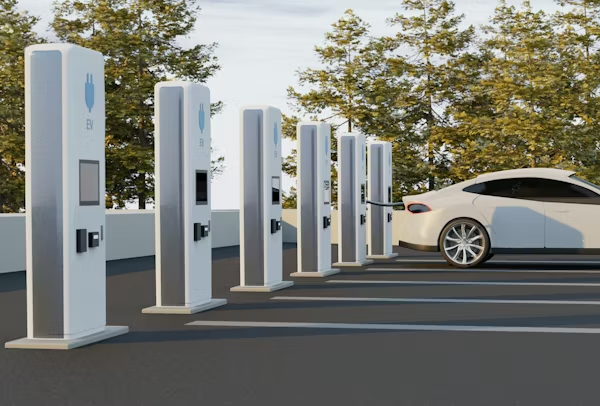
The rapid rise of electric vehicles is transforming not just how you drive, but also how you refuel. However, as charging technology advances, it often depends on the payment system to make the experience either smooth or annoying.
You just come to a charging station and download several apps to avoid trouble with incompatible payment methods or the fear of having your transactions stolen.
The future of EV adoption will strongly depend on the ease and efficiency of payment systems. The solution that provides convenience, flexibility, and reliability should be a priority for businesses and operators.
Modern EV charger payment systems are dynamic and evolving, supporting multiple payment options, providing real-time data, and integrating with the cloud.
Below are the key features that should be included in a viable, future-proof EV charging payment system.
1. Smooth Cashless Acceptance of Payments
A contemporary payment system for EV chargers should support a broad range of non-cash payment methods.
Modern drivers demand flexibility, as they may want to use credit cards, debit cards, mobile wallets, or QR code transactions. More sophisticated systems will accept dozens of payment methods, so users will never be limited to a single payment system.
In addition, the ability to make contactless payments greatly enhances convenience, particularly for drivers on the road. Users can easily tap and pay in a few seconds rather than fumbling with cash or downloading new apps.
The feature, therefore, makes charging easier and enhances the entire charging process, making it more accessible to a wider audience.
2. Cloud-Based Infrastructure And Scalability
Adopting cloud-based payment systems is important. Cloud solutions, unlike traditional ones, enable operators to control multiple charging stations from a single central platform.
This not only makes it easier to operate but also provides real-time updates and scalability.
Moreover, cloud integration suggests that a single payment interface will serve multiple chargers and that payment devices need not be installed at each unit.
As a result, operators can save on hardware costs without compromising the user experience. Scalability is an important consideration for EV infrastructure, and cloud-based systems offer the flexibility needed to scale without issues.
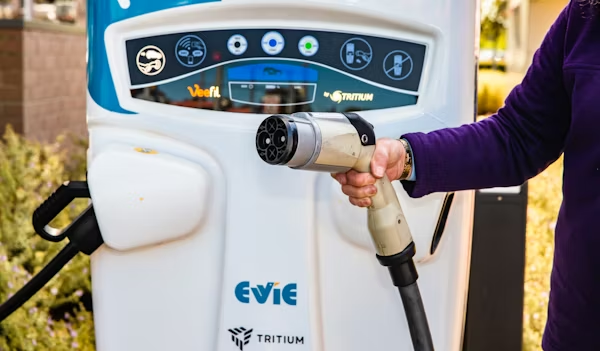
3. System Integration Capabilities And API
The other important aspect is the capability to interface with existing systems via APIs and standardized protocols.
Payment systems for EV chargers should be seamlessly integrated with charge point management systems (CPMS), mobile applications, and backend platforms.
Moreover, interoperability ensures that networks can communicate effectively, enabling users to roam. This implies that drivers do not need separate accounts for different charging networks.
Thus, robust integration features not only would make the user experience more convenient but also aid in a more cohesive EV ecosystem.
4. Live Data And Transparency
Transparency is crucial in developing trust among users. The current payment systems should provide real-time details on charging sessions, including energy consumption, time, and amount.
The same data can be obtained immediately and frequently through mobile devices or QR codes without any additional applications.
Also, real-time billing will ensure that users are billed correctly and equitably. By providing straightforward, immediate feedback, operators can build customer confidence and reduce disagreements.
5. Safe And dependable Transactions
In payment systems, security is not an option. To ensure the security of sensitive user information, EV charger platforms should implement advanced encryption and tokenization and comply with international payment standards.
Meanwhile, reliability is also crucial. Users may become frustrated by payment failures or delays, which may discourage them from using the services again.
Thus, strong systems are developed with the capacity to handle a large volume of transactions while maintaining steady performance. Operators can cultivate trust and secure customer loyalty in the long run by focusing on security and reliability.
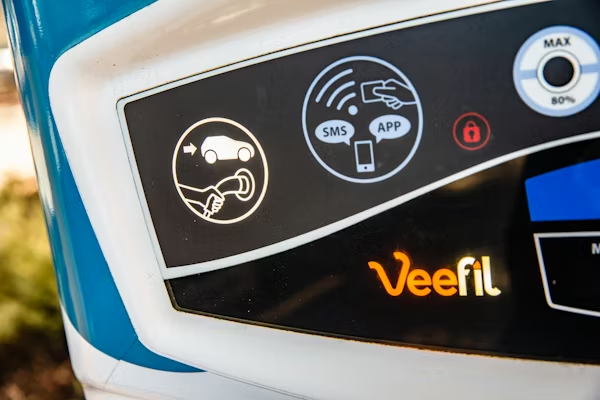
6. Support Multicurrency And Global Payments
As global adoption of EVs grows, payment systems need to support users across geographic locations. It is necessary to support various currencies and global payment methods for both local and traveling drivers.
In addition, global compatibility helps operators to extend their services outside their regions.
A flexible payment system will provide a similar experience to a driver, regardless of the country they are in, whether they are charging locally or globally. This is therefore an attribute highly beneficial to companies that wish to expand into other countries.
7. Customer Relationship And Loyalty Features
Contemporary payment systems are becoming potent customer engagement platforms. Additional functions such as loyalty programs, prepaid cards, and customized promotions can help retain users.
For example, digital receipts may be tailored to include offers, discounts, or branding elements, encouraging visitors to return.
Also, by incorporating loyalty programs, operators can reward frequent users, thereby fostering a closer association with customers. These engagement features can offer a strong competitive edge as the EV charging market becomes increasingly competitive.
8. Omnichannel Payment Experience
Modern consumers demand a consistent experience across a variety of channels, whether in person at a kiosk, in a mobile application, or online. Omnichannel payment systems bring together the touchpoints so that users can freely move between them.
For example, a driver could initiate a charging session through an app and pay at a kiosk. Through a unified system, everything is synchronized, providing a seamless, harmonious experience.
Therefore, the ability to use the omnichannel is becoming a leading distinguishing feature of the new EV payment solutions.
9. Accessibility And Ease of Use
Complexity and difficulty would be counterproductive to popularization. There should be simplified payment systems with a few steps to make a payment.
Usability can be greatly improved with features such as QR code access, app-free payments, and easy-to-use interfaces.
In addition, removing the need for compulsory app downloads is a frequent source of irritation for many users. With ease of use in mind, the operators can appeal to a broader audience, including those new to EV technology.
Conclusion
EV charger payment systems are not merely about accepting transactions; they are the key to the charging experience. As the EV market grows, the need for seamless, secure, and flexible payment solutions will only increase.
With support for various cashless payments, cloud infrastructure, and real-time data, every aspect is essential for influencing user satisfaction, and additionally for integrating functions, international support, and customer interaction tools.