How To Run ImageMeter StartingBlockOnline On Windows PC: Step‑By‑Step Guide (2026)
ImageMeter StartingBlockOnline for PC Windows delivers digital measuring and markup on a big screen. This guide shows how a user can run ImageMeter StartingBlockOnline for PC Windows. It lists requirements, install options, and a clear emulator method. It gives steps to set up and sync projects. The reader will get practical, short steps they can follow right away.
Key Takeaways
- ImageMeter StartingBlockOnline for PC Windows enhances precision and efficiency by enabling digital measuring and markup on a larger screen.
- To run ImageMeter StartingBlockOnline on Windows, users need a 64-bit Windows 10 or 11 system with at least 8 GB RAM and a dual-core CPU, preferably with a dedicated GPU.
- Installing via an Android emulator like BlueStacks is recommended for full compatibility when a native Windows version is unavailable.
- Users should allocate sufficient emulator resources, grant necessary permissions, and manage files through shared folders for smooth operation.
- Setting up projects involves importing images, adding measurements and notes, locking layers, and syncing via cloud services to keep work updated across devices.
- Troubleshooting tips include clearing emulator cache, adjusting resource allocation, recalibrating measurements, enabling hardware acceleration, and keeping software updated for optimal performance.
Why Use ImageMeter StartingBlockOnline On A PC?
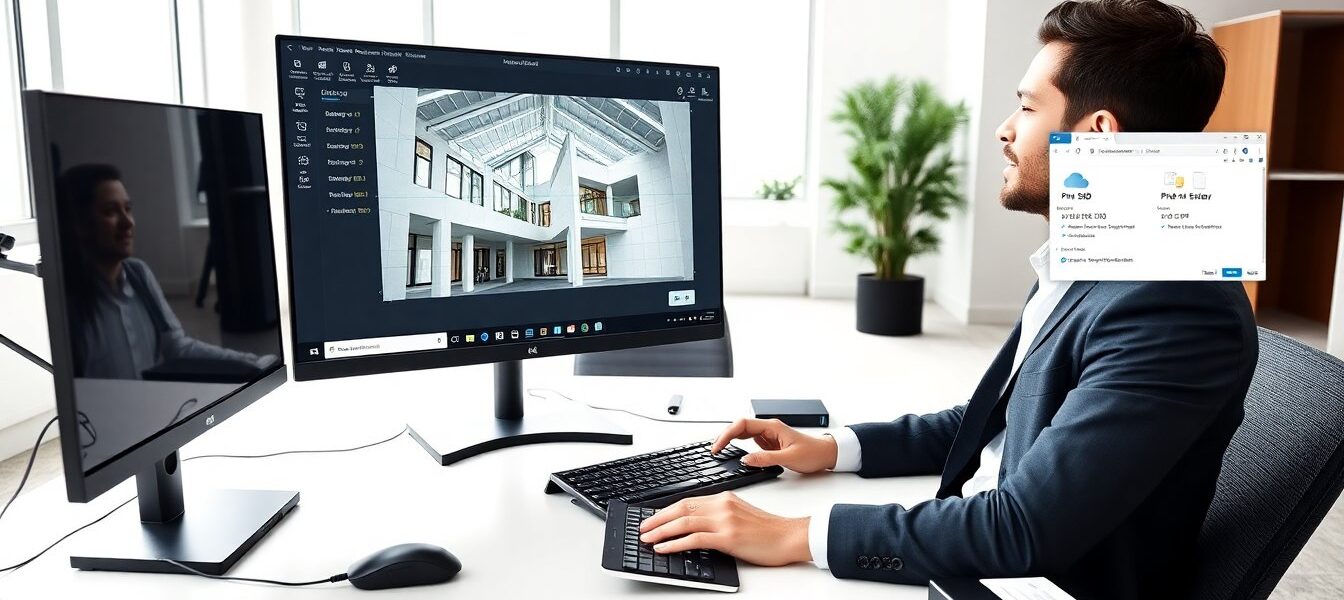
ImageMeter StartingBlockOnline for PC Windows lets a user work with images on a larger display. It improves precision and speeds up markup tasks. A user can drag files from folders and copy dimensions more easily. It supports multi-window workflows and keyboard shortcuts. It reduces eye strain and mouse fatigue during long jobs. It fits teams that prefer desktop tools and file sharing. It helps when a user needs to export annotated plans to standard file formats.
System Requirements And Preparations For Windows
A user needs a 64-bit Windows 10 or 11 system for ImageMeter StartingBlockOnline for PC Windows. The PC should have at least 8 GB of RAM and a dual‑core CPU. The user needs 5 GB of free disk space. A dedicated GPU helps when working with large images. The user must enable virtualization in the BIOS if they plan to use an emulator. The user should sign in with an administrator account for installs. The user should also back up important image files before migration.
Install Methods: Emulator Vs. Native Windows Build
The user can run ImageMeter StartingBlockOnline for PC Windows with an Android emulator or a native Windows build if available. An emulator offers full Android compatibility and fast setup. A native build gives better performance and system integration. The user should check StartingBlockOnline release notes for a native Windows package. If no native build exists, an emulator is the practical choice. The user should compare stability, file access, and input options. The user should weigh ease of updates and resource use before they choose a method.
Step‑By‑Step Installation Using An Android Emulator (Recommended)
The user should download an Android emulator like BlueStacks or LDPlayer. The user should pick the latest stable version. The user should install the emulator and sign in with a Google account. The user should open Google Play inside the emulator and search for ImageMeter StartingBlockOnline. The user should install the app from the store. The user should grant storage and camera permissions when prompted. The user should configure emulator settings: allocate 4+ GB RAM and 2 CPU cores. The user should map keys or enable pointer integration for precision. The user should move sample images into the emulator via drag-and-drop or shared folders. The user should launch ImageMeter StartingBlockOnline for PC Windows and confirm the app opens and reads images.
Setting Up And Syncing Projects With StartingBlockOnline
The user should create a new project inside ImageMeter StartingBlockOnline for PC Windows. The user should import photos from the shared folder or cloud service. The user should add dimensions and notes using the app tools. The user should name layers and lock them to prevent accidental edits. The user should export a backup copy as a PNG or PDF. The user should enable cloud sync if the app supports it. The user should test sync by editing on the PC and checking the mobile copy. The user should keep a local archive of critical projects for recovery.
Common Troubleshooting Tips And Performance Optimizations
If the app crashes, the user should clear the emulator cache and restart the emulator. If the app runs slowly, the user should increase emulator RAM and CPU allocation. If image load fails, the user should verify file permissions for the shared folder. If measurement tools misbehave, the user should recalibrate the app using a known reference object. If the emulator shows an input lag, the user should enable hardware acceleration in emulator settings. The user should update GPU drivers and Windows updates for better stability. The user should keep the app and emulator updated to the latest versions to avoid known bugs.