
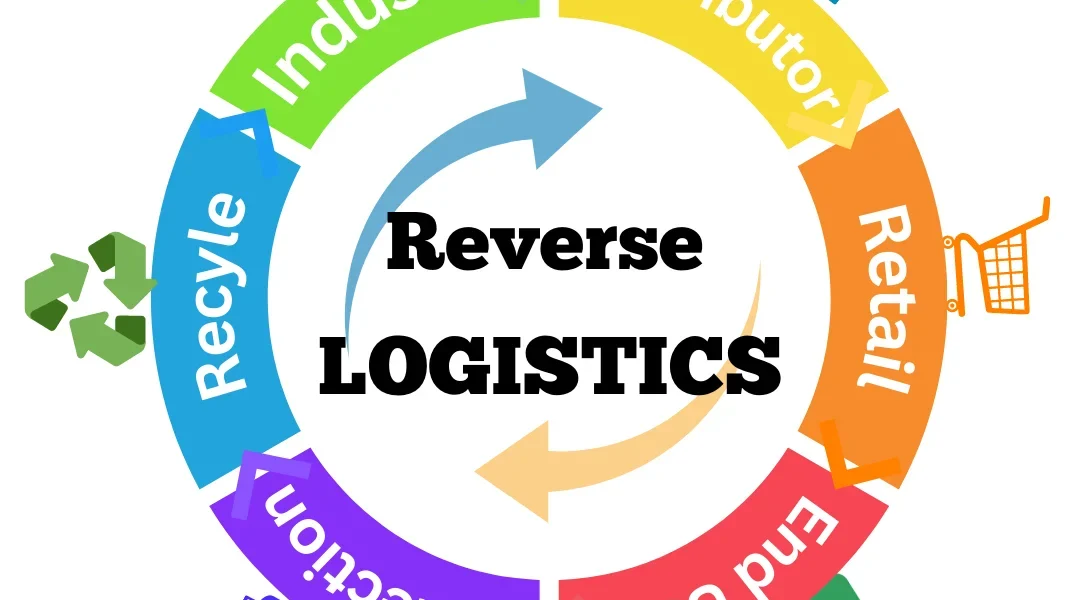
Reverse Logistics Is Where Supply Chain Efficiency Goes to Die — Unless You Fix It
Most supply chain investment flows in one direction: forward. Procurement, production, warehousing, outbound fulfillment — these get the attention, the technology, and the process discipline. The return flow gets what’s left over, which is usually not much. That asymmetry is expensive, and it shows up most clearly in the management of reusable goods, packaging, and containers that are supposed to circulate through the network but often don’t make it back on time — or at all.
Reverse logistics optimization isn’t about processing customer returns faster, though that’s part of it. The deeper opportunity is in redesigning how the return flow of materials, packaging assets, and logistics equipment is tracked, managed, and reintegrated into forward operations. That’s where the real cost leakage tends to live, and where structured improvement produces measurable returns.
Why the Return Flow Is Harder to Manage Than It Looks
The forward supply chain has a clear driver: customer demand. Every shipment going out has a destination, a deadline, and someone accountable for making sure it arrives. The return flow lacks that structure. Returns move on their own schedule, through channels that weren’t always designed with visibility in mind, and the accountability for making sure assets come back often sits with nobody in particular.
Reusable packaging — pallets, totes, bins, kegs, intermediate bulk containers — compounds the problem. These assets are valuable enough to matter in aggregate but mundane enough that no individual return feels urgent. The result is a slow, steady drain: assets that linger at customer sites, disappear into third-party logistics networks, or come back damaged without any record of where the damage occurred.
The financial impact accumulates quietly. Replacement purchases grow to cover apparent shortages that are actually just mislocated assets. Rental costs climb when owned containers aren’t available and substitutes have to be sourced. And the administrative burden of trying to reconcile what went out against what came back consumes time that could be spent on higher-value work.
Identification Is Where Reverse Logistics Programs Either Work or Don’t
You can’t optimize a flow you can’t see, and you can’t see a flow you can’t measure. That observation sounds simple, but its implications for reverse logistics are significant. The moment an asset leaves your facility, your visibility into it depends entirely on the identification infrastructure you’ve put in place — and whether it holds up through the full return cycle.
This is where returnable shipping container management becomes a technical discipline rather than a logistics afterthought. Containers and packaging assets need durable identification that survives the environments they move through — outdoor storage, wash cycles, stacking loads, temperature extremes, and the general physical stress of repeated handling. RFID tags designed for harsh environments, laser-engraved metal plates, or rugged barcode labels rated for industrial use are the appropriate tools here. A label that degrades after six months on a container that’s supposed to circulate for five years is not a solution — it’s a deferred problem.
Equally important is where the reads happen. Identification is only useful when it generates data, and that requires read infrastructure at the points where assets actually move: dock doors, wash stations, consolidation hubs, and customer receiving areas where the returns originate.
Building the Feedback Loop Between Returns and Forward Operations
The operational payoff from better reverse logistics visibility comes when return data feeds directly into forward planning. When the system knows that 200 containers are sitting at a regional distribution center waiting for pickup, procurement doesn’t need to order 200 replacements. When wash station throughput data shows that cleaned containers are available faster than expected, production scheduling can adjust accordingly. The return flow stops being a black box and starts being a usable variable.
This feedback loop requires integrating return tracking data with the systems that drive forward operations — ERP, WMS, production scheduling. The integration doesn’t need to be complex to be effective. Even basic triggers — a return receipt that updates inventory availability, a dwell time alert that prompts a pickup request — close the gap between what the system assumes and what’s actually in the network.
Where Reverse Logistics Optimization Produces the Clearest ROI
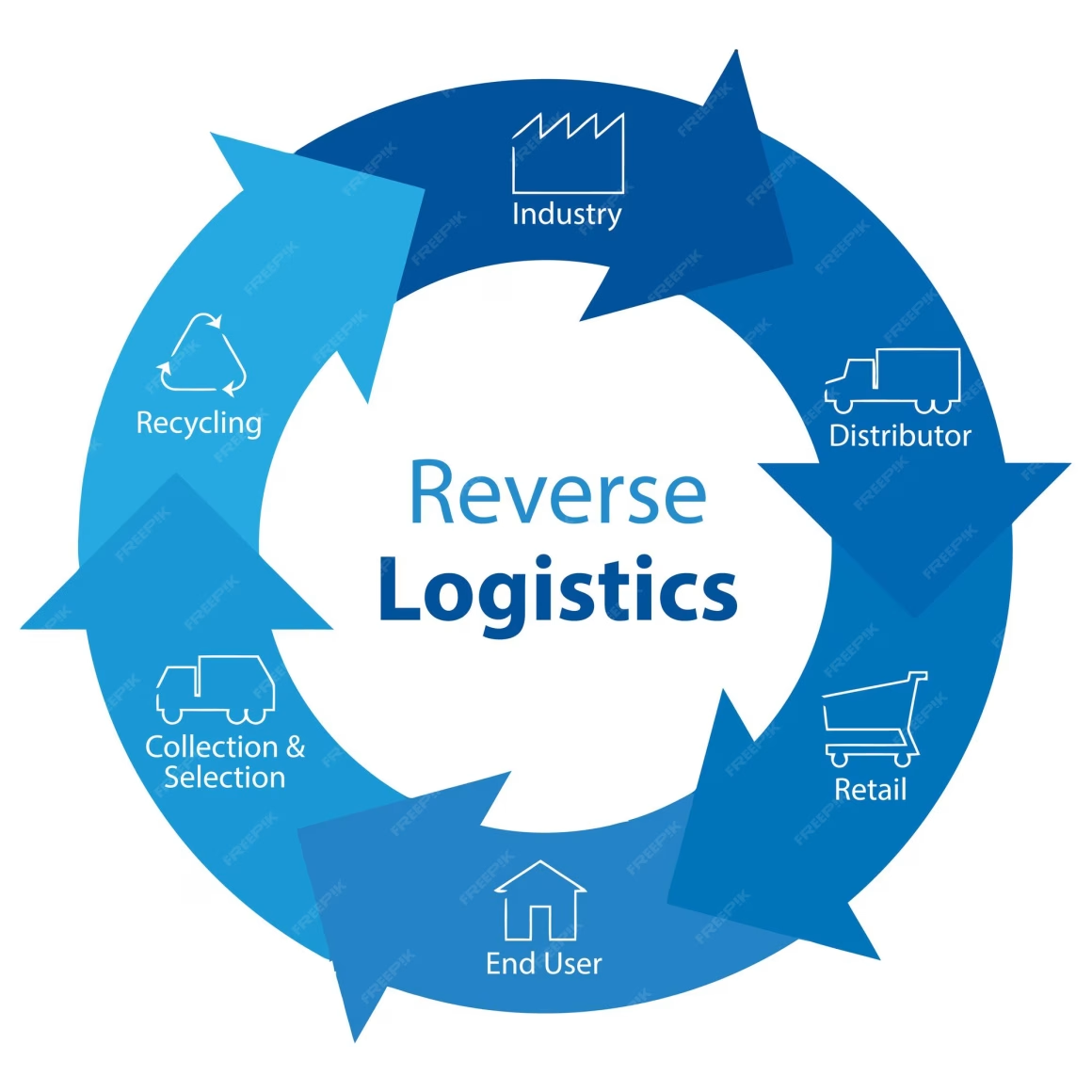
The return on investment from structured reverse logistics programs tends to concentrate in a few areas:
- Fleet reduction: When actual utilization data replaces guesswork, organizations consistently find they’re carrying more assets than necessary. Right-sizing the fleet — based on real cycle times and real return rates — frees capital without reducing operational capacity.
- Loss reduction: Systematic tracking makes loss visible at the node level. When a specific customer site or carrier consistently generates shrinkage, that pattern shows up in the data and can be addressed directly rather than absorbed as a general budget line.
- Damage accountability: A container that comes back damaged and has a complete location history attached to it is a container where the damage can be attributed and potentially recovered through a claim or a process correction. Without that history, the cost just disappears into overhead.
- Labor efficiency: Automated read infrastructure at return points eliminates the manual counting and reconciliation work that currently absorbs dock staff time. That labor can be redirected — or the headcount requirement reduced — once the process is systematized.
Reverse logistics will never be as clean as forward fulfillment. The return flow is inherently less predictable, less standardized, and less amenable to rigid process control. But the gap between how most organizations manage it today and how it could be managed with structured identification and tracking is wide enough that even partial progress tends to generate returns that exceed the investment. The organizations that treat reverse logistics as a discipline — rather than a cleanup task — are the ones that stop losing money on assets they already own.