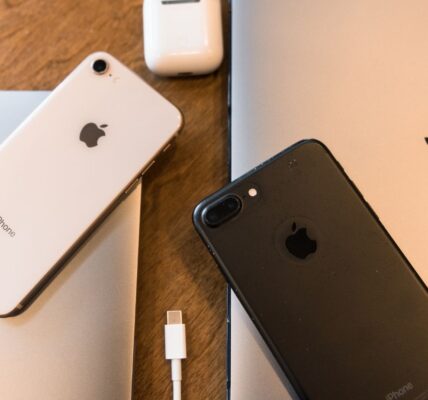

Are you tired of living life through a screen? It’s time to break free from the digital chains that keep our eyes glued to our phones. In this fast-paced world, where one notification can lead to hours of scrolling, finding a way to reduce phone time is more than just a trend, it’s a necessity. You’re not alone in this battle: many people are seeking that balance between staying connected and enjoying real-life experiences. So, let’s explore how one can effectively spend less time on their phone while reclaiming precious time for more meaningful activities. Get ready for some practical insights sprinkled with a dash of humor and a whole lot of confidence.
How To Spend Less Time On Phone

The Impact of Excessive Phone Time
Spending too much time on phones can have several adverse effects. It can disrupt sleep patterns, contribute to feelings of anxiety, and even affect physical health due to prolonged screen exposure. Strained eyes and cricked necks are just a couple of the symptoms many experience. Also, overuse of smartphones often results in missed opportunities to engage with the world around. How many times have they sat in a room full of friends only to be distracted by a video of a cat playing piano? The reality is that excessive phone usage can isolate individuals rather than connect them, leading to decreased satisfaction in personal interactions. Recognizing these impacts can serve as a motivating factor to cut back on screen time.Practical Strategies to Reduce Phone Time
Reducing screen time isn’t just about discipline: it requires actionable strategies that anyone can adopt.Setting Boundaries with Technology
Establishing boundaries with technology can feel liberating. Designate specific times of day for checking emails or social media. Perhaps they can practice a digital detox during meals, reserving those moments for genuine conversations. The fewer distractions, the more engaging life becomes.Utilizing Apps for Time Management
Irony aside, there are apps designed to help limit phone usage. Tools such as “Forest” allow users to grow a tree for their designated phone-free time. If they pick up their phone too soon, the tree withers away. Talk about motivation. Using these apps can provide insights into phone habits and help indicate where improvements may be made.Creating Tech-Free Zones
Consider establishing tech-free zones around the home. Having areas where phones aren’t allowed can foster better communication and relaxation. Maybe the dining table transforms into a sacred space for sharing stories instead of checking the latest trends. These little changes can lead to significant benefits.Engaging in Alternative Activities
Finding activities that don’t involve screens can significantly enrich one’s life. Exploring hobbies, reading physical books, or engaging in outdoor pursuits are excellent ways to reclaim time. Just think about it: what’s more exhilarating, a scroll through the latest social media drama or a hike in nature’s beauty? Getting creative can also provide an outlet worth exploring. Painting, crafting, or even cooking can serve as fulfilling alternatives to scrolling through countless updates. Joining clubs or classes can broaden horizons and expand social circles, all without a screen in sight.Mindfulness and Reflection on Usage Habits
Mindfulness is a powerful tool in the quest to reduce phone time. By regularly reflecting on phone habits, one can gain valuable insights into patterns of usage. Ask questions such as “What triggers the urge to check my phone?” or “Am I truly engaged with what I’m seeing?” This evaluation helps shed light on the emotional connections tied to smartphone use. Journaling their experiences can also foster awareness. Documenting feelings before and after using their phone can reveal how it impacts mood and well-being. Being conscious of these habits can pave the way for healthier interactions with technology.