

Modern businesses generate massive amounts of data, but raw numbers alone don’t drive success. The challenge is making sense of it all — identifying patterns, predicting trends, and making decisions faster than the competition. This is where AI-powered business intelligence changes the game.
By leveraging AI-driven analytics, companies in customer support, HR, and marketing can go beyond static reporting. AI detects inefficiencies, predicts customer behavior, and optimizes workflows in real-time. However, implementing AI BI isn’t just about collecting data. It’s about using it strategically to enhance decision-making without losing human oversight.
This article breaks down how AI business intelligence is reshaping support, HR, and marketing, where it delivers the most value, and what it can’t solve (yet).
How AI Business Intelligence Transforms Decision-Making
Companies no longer have the luxury of guesswork — decisions must be backed by real-time, data-driven insights. This is where AI-powered business intelligence steps in, turning massive datasets into actionable strategies across customer support, HR, and marketing.
From Data Overload to Strategic Insights
Traditional BI tools rely on static reports, but AI and business intelligence work together to detect patterns, predict trends, and automate decision-making. Instead of reacting to past events, businesses can:
- Identify customer pain points before they escalate.
- Predict workforce trends, such as hiring needs and employee attrition risks.
- Optimize marketing campaigns in real time based on user behavior.
Predictive Analytics for Proactive Decisions
AI doesn’t just summarize data — it anticipates what happens next. For example:
|
Department |
How AI BI Helps |
|
Customer Support |
Predicts ticket surges & automates responses. |
|
HR |
Identifies retention risks before resignations. |
|
Marketing |
Forecasts ad performance and customer engagement. |
This shift from reactive to proactive decision-making is what sets AI BI apart.
AI Business Intelligence in Customer Support
Customer expectations are higher than ever, and companies can’t afford slow or inconsistent support. AI-powered business intelligence transforms customer service by predicting issues, analyzing sentiment, and improving agent efficiency.
AI-Driven Sentiment Analysis for Smarter Interactions
Understanding how customers feel is just as important as solving their issues. With AI and business intelligence, companies can analyze tone, keywords, and historical interactions to:
- Detect frustration levels and prioritize urgent cases.
- Identify patterns in recurring complaints to improve products or services.
- Automate ticket routing based on complexity and sentiment.
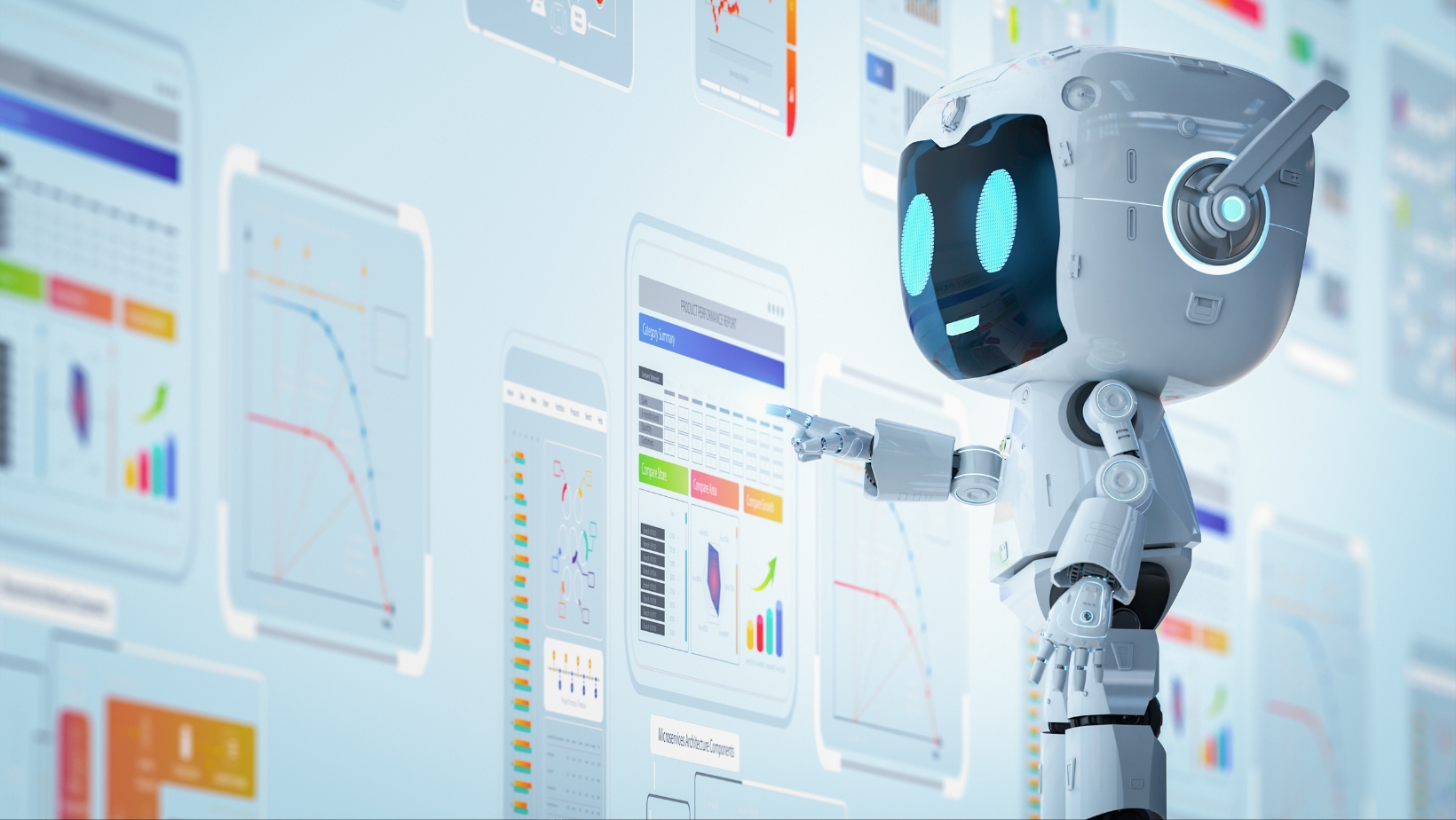
By applying AI-driven sentiment analysis, businesses proactively resolve issues before they escalate, enhancing overall satisfaction.
Optimizing Support Teams with AI Workforce Analytics
AI doesn’t replace support teams—it makes them more effective. AI-based business intelligence tracks performance and predicts workload spikes, allowing managers to:
- Optimize staffing levels to prevent burnout and reduce wait times.
- Provide real-time coaching by analyzing agent-customer interactions.
- Automate ticket categorization so agents focus on complex cases.
AI for Self-Service Optimization
A well-trained AI chatbot can resolve up to 70% of routine inquiries without human intervention. AI enhances self-service by:
- Refining knowledge bases with up-to-date, high-performing articles.
- Identifying gaps in self-service content, reducing unnecessary escalations.
AI Business Intelligence in HR
HR teams deal with complex, high-stakes decisions daily, from hiring the right talent to retaining employees. Traditional methods rely on static reports and subjective judgment, but AI for business intelligence enables real-time, data-driven decision-making that minimizes guesswork.
Smarter Hiring with AI-Driven Insights
Finding the right candidate isn’t just about matching resumes to job descriptions. AI analyzes patterns across past hires, workforce performance, and even behavioral data to predict who is most likely to succeed in a role.
Instead of spending hours manually filtering applicants, AI ranks candidates based on experience, skill relevance, and projected performance, allowing recruiters to focus on final-stage interviews and cultural fit. AI also helps identify unconscious hiring biases, ensuring a more diverse and qualified workforce.
Preventing Turnover Before It Happens
Retention isn’t just about offering perks — AI-based business intelligence helps HR teams detect early warning signs of employee disengagement. Low productivity, declining sentiment in internal communications, and even subtle shifts in work patterns can indicate a higher risk of attrition.
With these insights, HR leaders can act before employees leave — whether by adjusting workloads, offering career development paths, or addressing concerns before they escalate. AI makes it possible to retain top talent rather than constantly backfilling roles.
Making Employee Engagement More Than Just a Survey
Annual engagement surveys often miss real-time employee sentiment. AI continuously monitors internal feedback, performance trends, and workplace discussions, providing HR with live insights into morale.
Instead of relying on outdated data, HR teams can see what’s impacting engagement today and adapt their strategies accordingly. AI doesn’t replace human HR leadership—it amplifies it, helping teams focus on what truly matters to employees.
AI Business Intelligence in Marketing
Marketing thrives on real-time insights and predictive analytics. Traditional data analysis takes time, but AI-powered business intelligence enables instant campaign optimization and hyper-personalized customer engagement.
Hyper-Personalized Customer Targeting
Consumers expect relevant, timely offers — and AI and business intelligence delivered by analyzing behavior, purchase history, and engagement patterns. AI-driven segmentation allows brands to:
- Predict what customers are most likely to buy next.
- Automate highly targeted recommendations across email, ads, and social media.
- Optimize ad spend by focusing on high-converting audiences.
This reduces marketing waste while increasing conversions and retention.
Real-Time Campaign Optimization
Instead of waiting for post-campaign reports, AI-based business intelligence enables marketers to adjust on the fly. AI can:
- Detect underperforming ads and reallocate budgets instantly.
- Predict which ad creatives will generate the best engagement.
- Analyze customer sentiment across social media and reviews.
AI shifts marketing from reactive to proactive, maximizing ROI while ensuring campaigns stay relevant in real-time.
What AI Business Intelligence Can’t Solve (Yet)
While AI-powered business intelligence enhances decision-making, it’s not a perfect solution. AI analyzes patterns, but it still struggles with context, human reasoning, and ethical decision-making.
Where AI Falls Short
- Understanding Nuance: AI can detect sentiment, but it misses sarcasm, cultural differences, and emotional complexity in customer interactions.
- Data Limitations: AI is only as good as its data. Outdated, biased, or incomplete datasets lead to flawed predictions.
- Human Judgment: AI can forecast trends, but it can’t replace strategic thinking or complex problem-solving.
The Role of Human Oversight
AI is a decision-support tool, not a decision-maker. Companies must ensure human review of AI-generated insights to avoid misinterpretations and biases. AI works best when paired with human expertise.
AI as a Business Intelligence Partner
AI-powered business intelligence enhances decision-making, but it’s not a standalone solution. It optimizes processes, predicts trends, and improves efficiency, yet still requires human oversight for accuracy and strategic thinking.
The real advantage comes from balancing AI insights with human expertise. Companies that integrate AI as a supporting tool, not a replacement, will drive smarter decisions and long-term success.